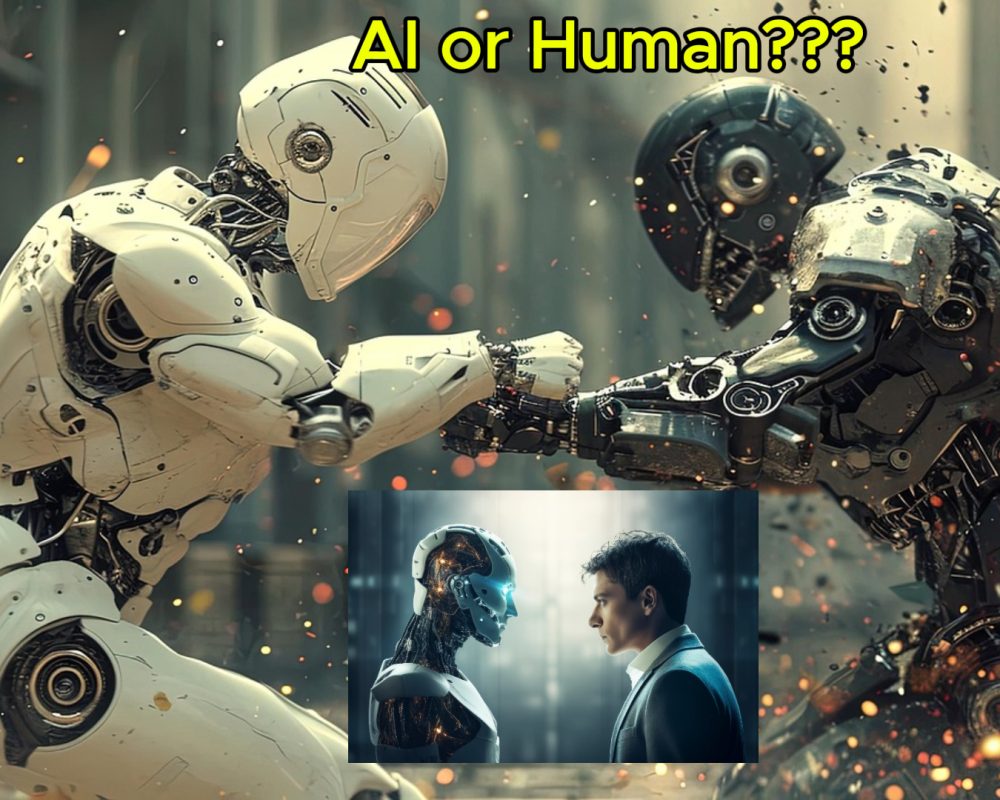
Prakash Kafle/Kathmandu. Artificial Intelligence is no longer just a futuristic idea from movies — it has quietly become part of our everyday lives. From unlocking our phones with face recognition to getting recommendations on YouTube or asking voice assistants about the weather, AI is constantly working in the background. It writes articles, designs graphics, helps doctors detect diseases, and even drives cars. With such rapid progress, many people are beginning to wonder: have humans already lost the battle to machines?
At first glance, it may seem that way. AI can process huge amounts of data in seconds, something that would take humans weeks or even months. Companies are increasingly using automation to handle repetitive tasks, and this has created fear about job losses and human replacement. We see chatbots replacing customer service agents, software generating content, and robots working in factories with precision and speed. It’s natural to feel uneasy and question where humans fit into this changing world.
However, calling it a “battle” may be the wrong perspective. AI is powerful, but it is not human. It does not feel emotions, experience love, understand pain, or dream about the future. It can generate a poem about heartbreak, but it has never had its heart broken. It can analyze human behavior, but it does not truly understand what it means to be human. What makes us unique is not just intelligence — it is empathy, creativity, moral judgment, and consciousness. These qualities cannot simply be programmed into a machine.
History also teaches us that technological change is not new. During the Industrial Revolution, people feared machines would make human labor useless. When computers became common, many thought jobs would disappear completely. Instead, society adapted. Old roles changed, and new industries were created. The same pattern is unfolding with AI. While some jobs may evolve or fade, new opportunities requiring creativity, critical thinking, and emotional intelligence are emerging.
The truth is, AI was created by humans. It is a tool — an advanced one — but still a tool. Doctors use it to diagnose diseases more accurately. Teachers use it to personalize learning. Businesses use it to improve efficiency. When used responsibly, AI can enhance human potential rather than replace it. The real challenge is not competing with artificial intelligence, but learning how to work alongside it while protecting ethical values and human dignity.
So, have we lost the battle? No — because there was never truly a battle to begin with. The future does not belong to machines alone, nor does it belong to humans who resist change. It belongs to those who adapt, who continue learning, and who remember that technology is only as wise as the people guiding it. AI may grow smarter every day, but humanity — with its emotions, dreams, and moral choices — remains irreplaceable.