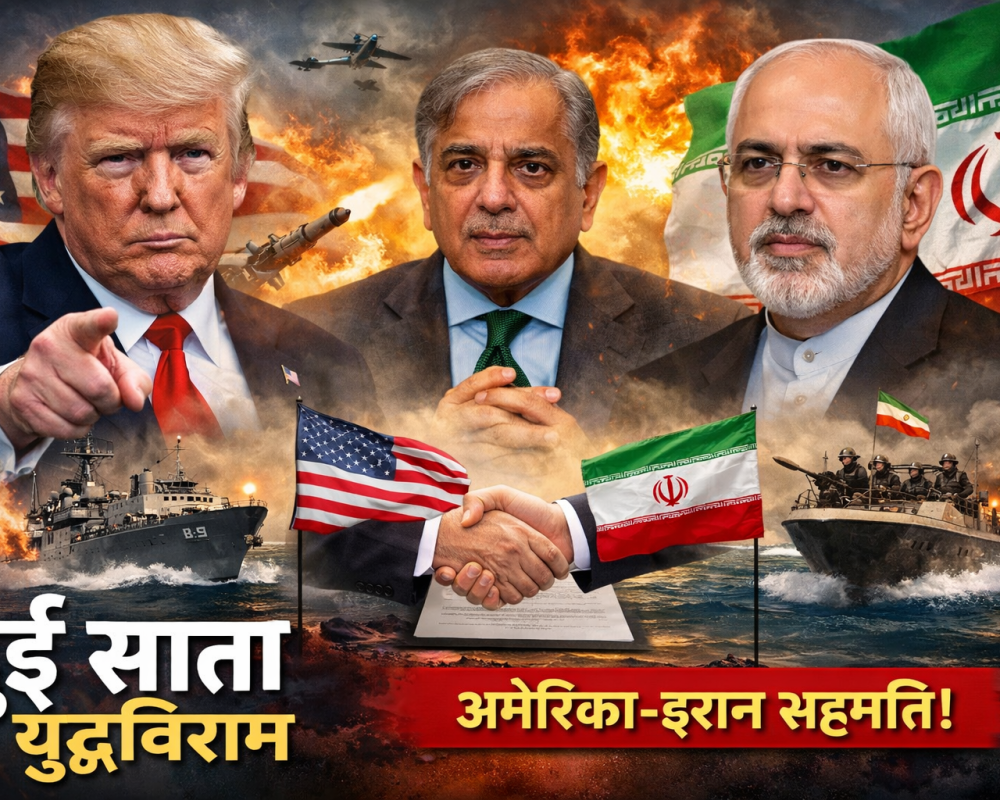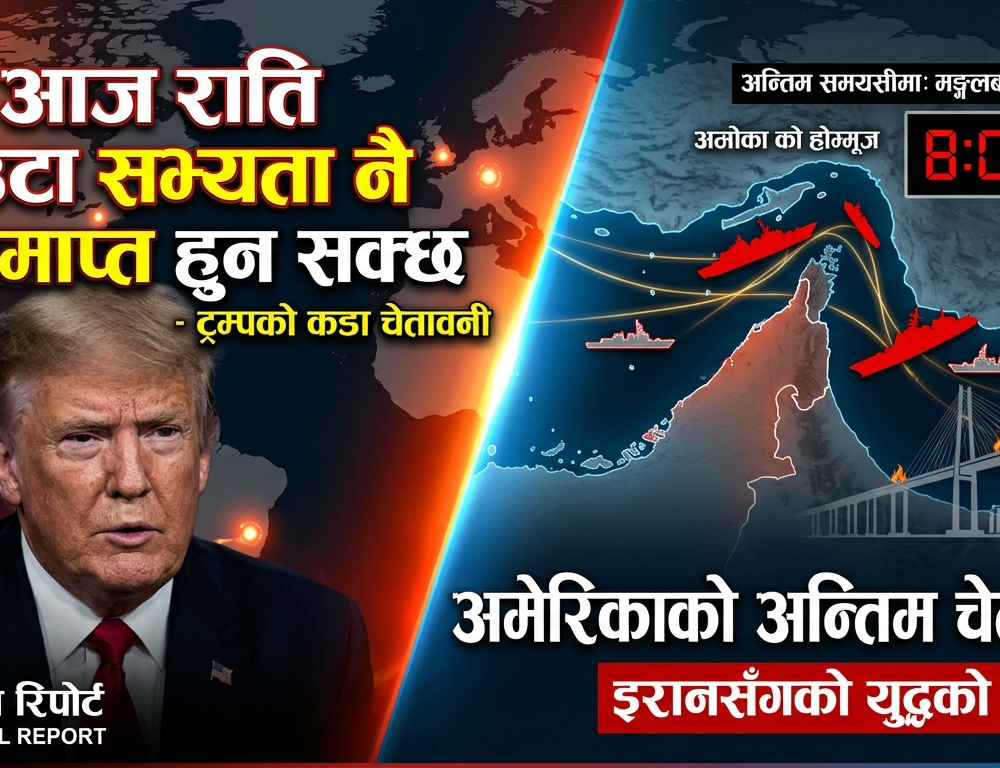
Kathmandu. Amid rising tensions between the United States and Iran, both countries have agreed to a two-week ceasefire. This agreement came at the last moment as the strict warning and deadline given by U.S. President Donald Trump were about to expire. An agreement was also reached regarding the reopening of the Strait of Hormuz. Following talks mediated by Pakistani Prime Minister Shehbaz Sharif, it was announced that the ceasefire would take effect immediately. According to Nepalese time, the deadline was set to expire at 5:45 a.m. on Wednesday.
Pakistan played a crucial role in this process. On April 10, it formally invited representatives from both countries to Islamabad for talks. Iranian Foreign Minister Abbas Araghchi stated that coordination with the Iranian military would ensure safe passage through the Strait of Hormuz. Israel has also indicated that it will respect the ceasefire.
Iran confirmed that it had presented a 10-point proposal to the United States via Pakistan. After the ceasefire, Iran’s Supreme National Security Council announced that formal talks would be held within a maximum of 15 days. Iran is reportedly pursuing a strategy to strengthen the gains it achieved on the battlefield through diplomatic negotiations.
The proposal includes guarantees against future attacks on Iran, the right to maintain influence over the Strait of Hormuz, and permission for uranium processing.
With this ceasefire, tensions in the Middle East are expected to ease somewhat. However, analysts have noted that establishing long-term peace will remain challenging.
The ceasefire has already started to have economic effects. Crude oil prices have dropped from $100 per barrel to around $94.5 per barrel. Positive impacts have also been seen in Asian stock markets.
However, distrust between the U.S. and Iran remains high. The history of past negotiations in the last year, which ended in war midway, has increased uncertainty about the future.
Iran is also under internal pressure. The war has caused military losses and weakened the economy. Additionally, anti-government activities and executions have increased domestic tension.
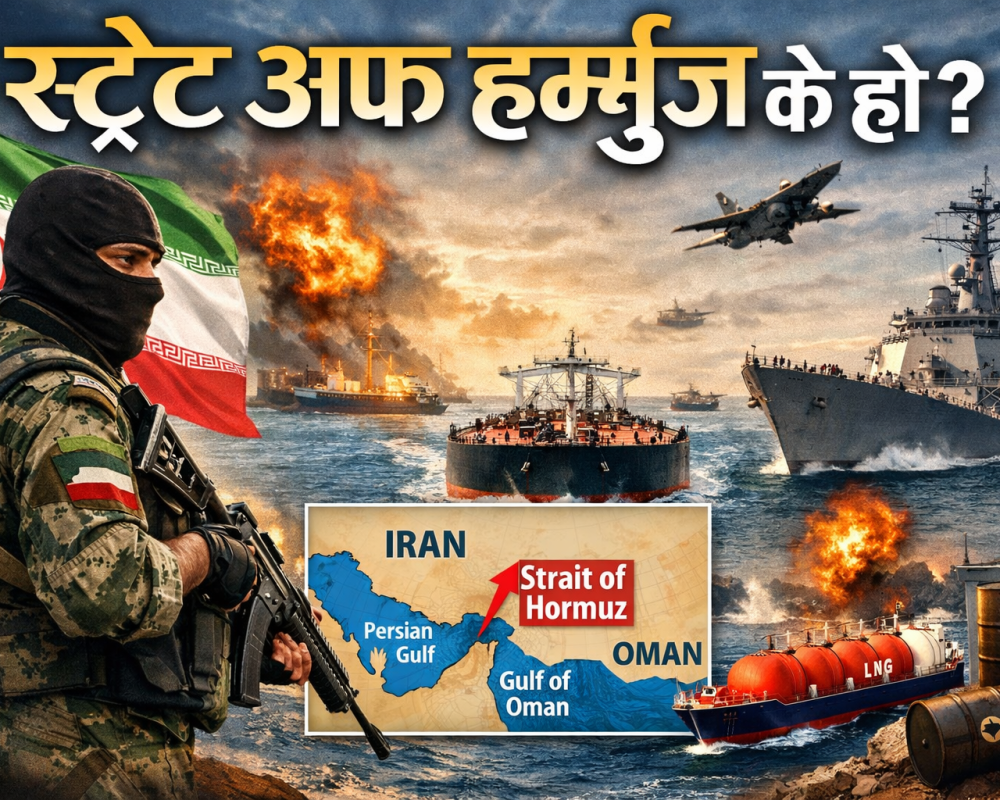
The United States has stated that it accepted the ceasefire only on the condition that unrestricted maritime navigation in the Hormuz region would be ensured. However, Iran has prioritized control over the area due to its geographic significance.
Similarly, Iran’s nuclear program has become a sensitive issue in the negotiations. While Iran claims an agreement has been reached regarding uranium enrichment, the U.S. has rejected this.
For all these reasons, the next two weeks are expected to be extremely important and challenging.
अमेरिका–इरानबीच दुई हप्ताको युद्धविराममा सहमति, स्ट्रेट अफ होर्मुज खोल्ने निर्णय