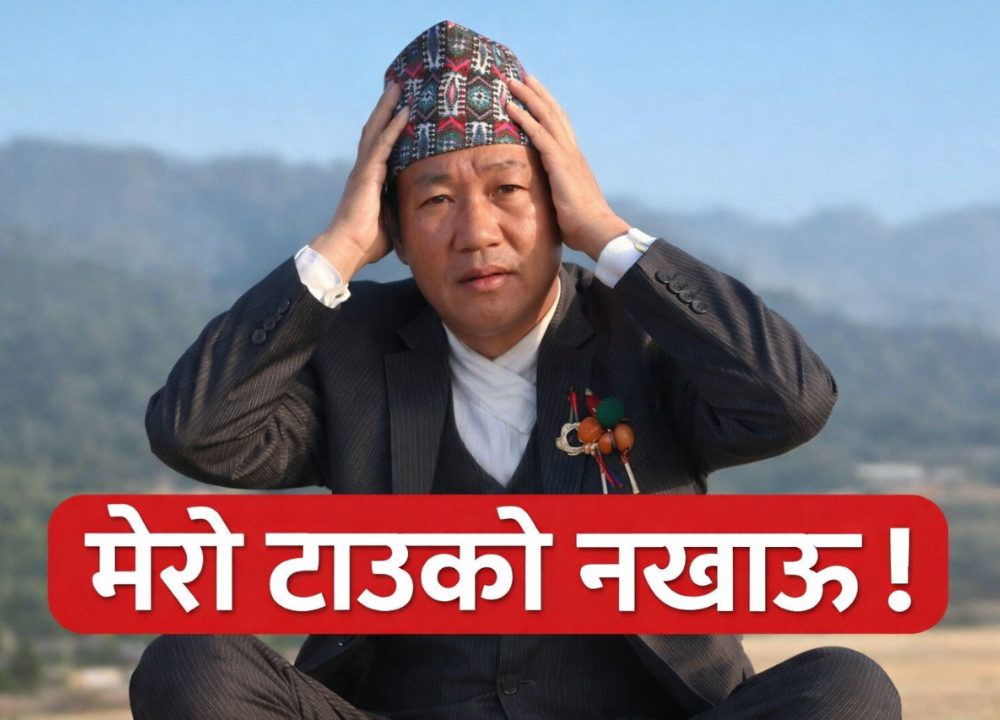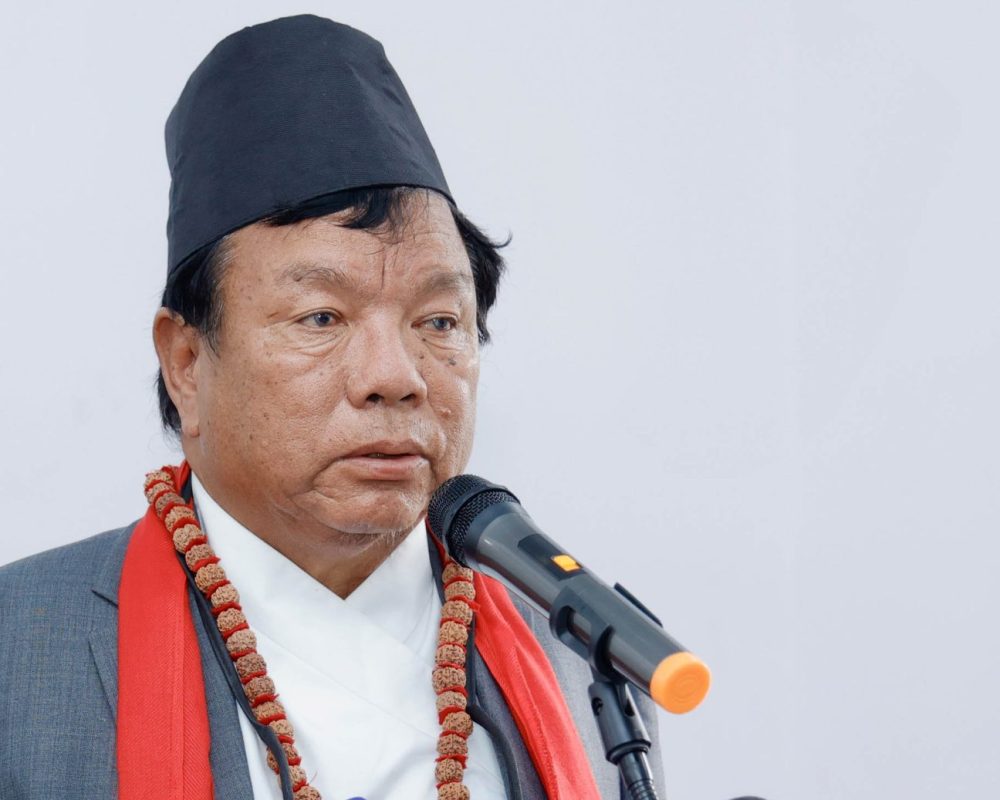
Prakash Kafle/Kathmandu. After the Election Commission Nepal announced the number of proportional representation seats won by political parties, competition among aspiring candidates has intensified within the Shram Sanskriti Party. Several individuals whose names appear on the party’s closed list have begun publicly expressing their interest in becoming members of parliament through social media. The party has secured four seats under the proportional representation system, and the process of selecting those representatives has reportedly become a major concern for party chairman Harka Sampang. Reflecting his frustration, Sampang wrote on social media asking people to stop troubling him over the issue.
He later issued a stronger warning, stating that anyone creating unnecessary pressure or disputes regarding the proportional seats could face expulsion from the party, including cancellation of their basic membership. Meanwhile, some individuals listed in the party’s closed candidate list have openly stated their claims to the seats. Among them, Samala Sampang Rai has publicly expressed through social media and media interviews that she deserves to be selected as a proportional representative, citing her contributions to the party.
Samala’s name appears at number 16 in the Indigenous Nationalities women category on the party’s list. Similarly, another candidate on the list, Asha Lama, has reportedly warned that she would stage a protest outside Sampang’s residence if she is not selected. Lama is ranked third in the Indigenous Nationalities women cluster and has reportedly traveled from Kathmandu to Dharan to press her claim.
Currently, the party’s directly elected lawmakers — including chairman Sampang, Dhruvraj Rai, and Aren Rai — are all male members from the Indigenous Nationalities community. Because of this, the party is expected to allocate at least three of its four proportional seats to women in order to comply with the constitutional requirement that at least 33.33 percent of parliamentary representation be female.
In addition to gender balance, the proportional representation system also requires parties to ensure representation from various social groups, including Khas Arya, Indigenous Nationalities, Dalits, Madhesis, Muslims, and Tharus.